4 minutes read
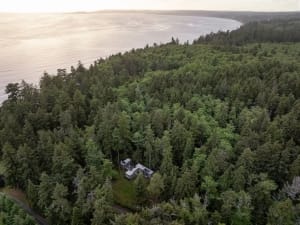
On a quiet patch of forested land on Whidbey Island, Washington, a new kind of home quietly challenges everything we thought we knew about prefabricated living.
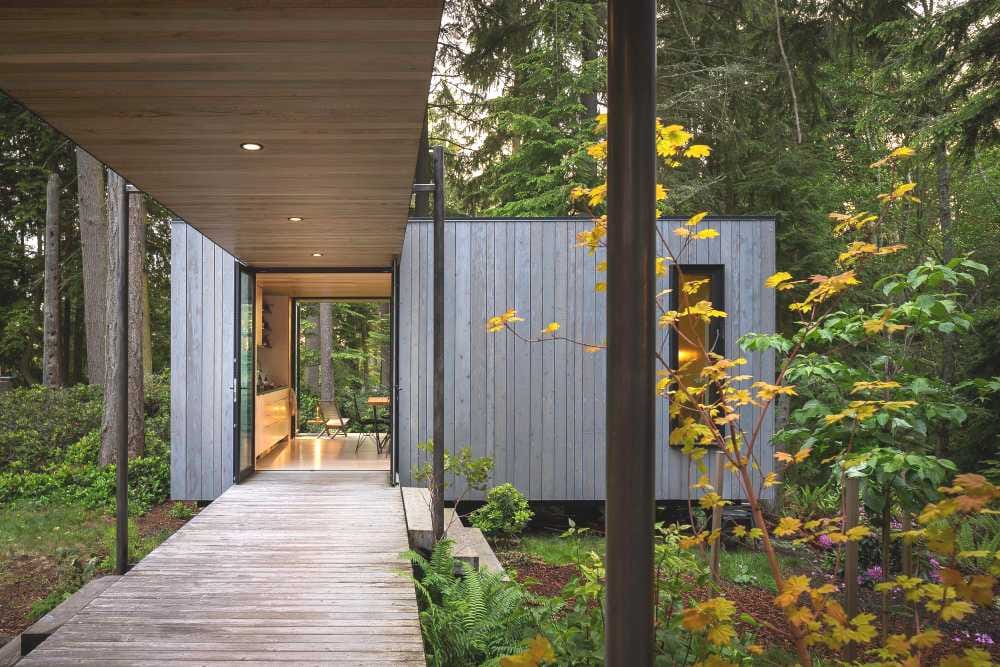
Welcome to the Whidbey Puzzle Prefab — an innovative modular home designed by Wittman Estes, a Seattle-based architecture firm renowned for blending natural environments with modernist sensibilities. This isn’t a typical house. It’s a smart, adaptable, and purposefully designed structure that harmonizes with the surrounding forest.
In a world where environmental impact, flexibility, and affordability are more urgent than ever, the Whidbey Puzzle Prefab offers a glimpse into the future: a sustainable home, industrially crafted, and deeply human.

What Is the Whidbey Puzzle Prefab?
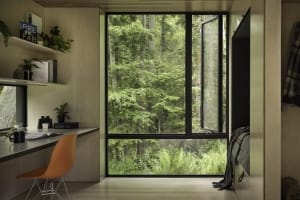
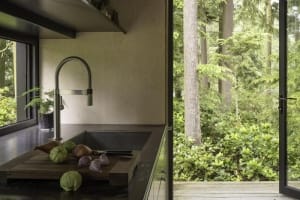
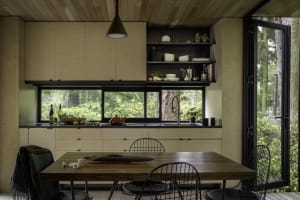
Nestled among tall pines and Pacific Northwest mist, the Whidbey Puzzle Prefab is a 600-square-foot living space, accompanied by 557 square feet of covered outdoor areas. It’s a striking example of prefabricated architecture meeting climate-conscious design. But what makes it truly unique is the philosophy behind its creation.
According to architect Matt Wittman, the design grew from a question: “What if a prefab home wasn’t a compromise, but a canvas?” In other words, instead of seeing prefabrication as a limitation, Wittman Estes saw it as a way to enhance creativity, sustainability, and flexibility — not diminish them.
The result is a home that isn’t just placed on a landscape. It responds to it. It grows with it. And in many ways, it even gives back.

Save Hours of Online Research
Use our free quote comparison tool. Upload the details of your project and receive proposals from our network of manufacturers.
COMPARE QUOTESModular Architecture That Responds to the Landscape
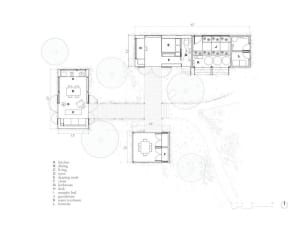
The Whidbey Puzzle Prefab isn’t a static design — it’s a living framework. Built with a nearly 1:1 ratio of indoor (600 sq ft) and covered outdoor space (557 sq ft), the home responds to its surroundings instead of imposing upon them.
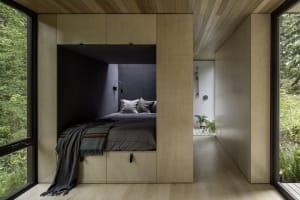
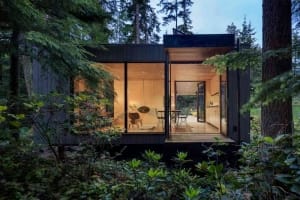
Wittman Estes approached this project not as a fixed plan, but as a system of modular components. The result is a flexible eco-friendly prefab house design made of reconfigurable living, sleep, greenhouse, and utility modules. Whether set in a rural forest or an urban infill lot, these modules can be arranged, expanded, or even relocated to suit changing needs.
Modular Doesn’t Mean Generic — It Means Customizable
One of the most powerful misconceptions about prefabricated homes is that they’re static, one-size-fits-all solutions. The Whidbey Puzzle Prefab proves the opposite.
Wittman Estes designed the Puzzle system to allow for endless configurations. Modules can be added, removed, rotated, or replaced. Want to expand your family? Add a second bedroom module. Want to move closer to the ocean? The home can be disassembled and reassembled elsewhere.
This modularity isn’t just physical — it’s philosophical. It recognizes that our needs evolve, and our homes should too.
“The Puzzle Prefab is not a finished product, but a living framework,” Wittman explains. “It’s a system that adapts — to you, your land, your climate, your life.”
Prefabrication Techniques That Redefine Quality
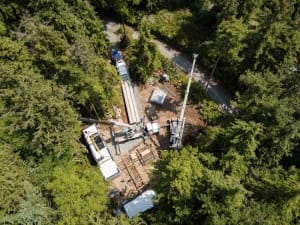
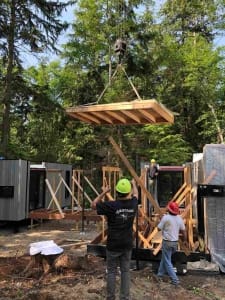
What sets the Whidbey Puzzle Prefab apart is how it was built. The structure was fabricated 95% off-site, using precision tools and sustainably sourced materials. Then, in just a few days, it was assembled on location with minimal disruption — an excellent example of modern modular home construction techniques.
The house rests on a diamond pier foundation system, eliminating the need for concrete. This method dramatically reduces environmental impact and allows the home to “float” above the ground, preserving tree roots and natural terrain. It’s a model of low-impact building.
Explore more about prefabrication and its benefits in our previous posts.
Lessons for Aspiring Homebuilders
If you’re dreaming of building your own home — especially one that’s modular, smart, and sustainable — here are a few takeaways from the Whidbey Puzzle Prefab story:
-
Start with your values. Sustainability, flexibility, cost — define what matters most before you begin design.
-
Choose your site wisely. Prefab excels when it’s allowed to harmonize with the environment.
-
Don’t fear factory-built. Off-site construction is precise, fast, and eco-friendly.
-
Think in modules. Design with future change in mind — life evolves, and your home should too.
-
Prioritize passive systems. Solar, insulation, ventilation — these are long-term investments that pay off.
For more resources, see our post: The Ultimate Guide to Prefabricated Housing.

Get quotes for your prefab project
Take 5 minutes to complete our form and receive quotes from our network of prefab suppliers. It's free, quick, and easy.
ASK FOR QUOTESA Blueprint for the Future
The Whidbey Puzzle Prefab is a hopeful prototype. It suggests that architecture can be both modern and mindful, industrial and intimate, high-tech and human-scaled.
It shows us that homes don’t need to fight the land, guzzle energy, or stretch our finances thin. Instead, they can harvest light, store water, and leave no trace. They can grow with us, shrink with us, move with us.
Photo: Andrew Pogue and Dan Sutherland (construction)