6 minutes read
A Practical Guide for Starting in January
It’s January 2026, and if you’re considering starting a new home project, you’re likely asking one critical question: If I begin now, can I realistically be living in my new house by the end of the year?
The answer is yes—but only if the project is approached with clarity, preparation, and the right structure from the outset. Prefabricated construction makes a one-year timeline achievable, but speed alone does not guarantee success. What matters most is how well the project is planned before construction even begins.
Understanding how prefab timelines work, where delays typically occur, and who needs to be involved early is essential if your goal is to finish within the year.
Why Prefab Makes a One-Year Timeline Realistic
The reason prefab can support a 12-month timeline is not because it cuts corners, but because it fundamentally changes how construction progresses.
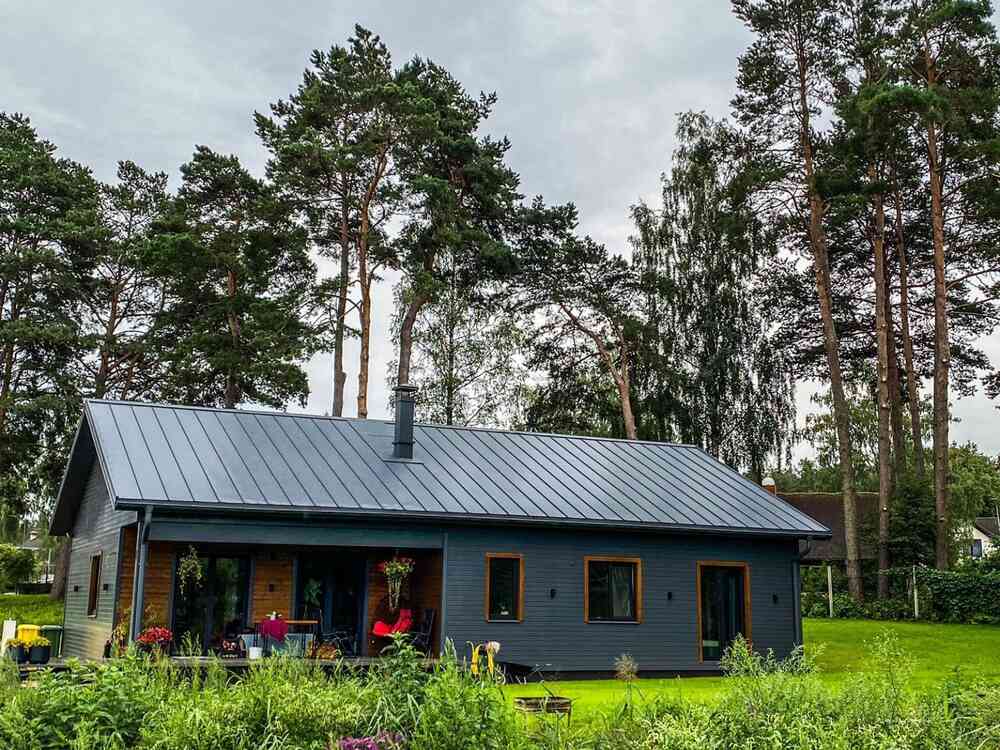
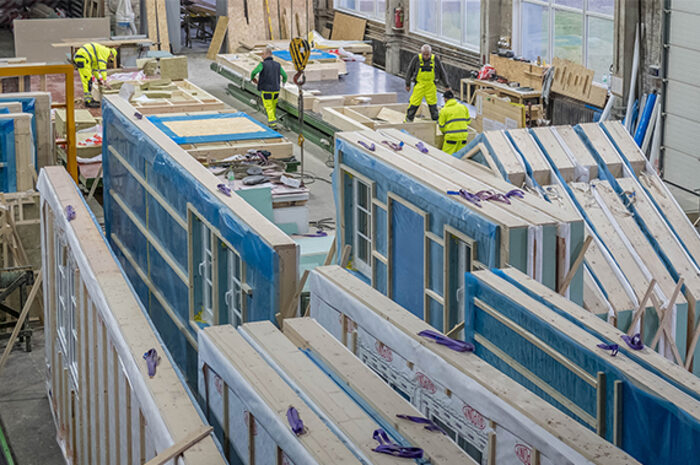
Unlike traditional builds, prefab allows multiple phases to move forward simultaneously. While your home is being manufactured in a controlled factory environment, work on site—particularly foundations and preparation—can take place at the same time. This parallel workflow alone can save months.
In addition, factory production is largely insulated from the weather. Seasonal delays that often derail traditional construction schedules have minimal impact on prefab manufacturing. While site work still depends on local conditions, prefab foundations are typically simpler and faster to complete.
However, these advantages only translate into real time savings if everything upstream of production is ready.
What “Starting Now” Actually Requires
This is where many projects begin to slip.
If your objective is to complete your home by the end of the year, “starting now” must mean more than exploring floor plans or contacting manufacturers. At a minimum, two foundational elements must already be addressed: land and planning permission.
You need a secured plot of land, and you must either have planning permission in place or be well underway in the approval process. Planning is one of the few variables almost entirely outside the homeowner’s control. It cannot be meaningfully accelerated and varies widely depending on local authorities.
Even the most efficient prefab system cannot compensate for late approvals. This makes early preparation not just helpful, but essential.
Where Timelines Commonly Break Down
Once planning is underway, the next major risk is decision-making.
Prefab construction derives much of its efficiency from standardisation. While customisation is possible, excessive changes—especially after the initial design agreement—introduce friction. Each modification requires new drawings, recalculations, and revised pricing, all of which slow momentum.
As timelines extend, other risks emerge. Production slots can be lost, costs may increase, and coordination becomes more complex. Homeowners who commit early to a clear scope and avoid unnecessary revisions are far more likely to preserve the time savings prefab offers.
This is where professional guidance begins to play a decisive role.
Thinking about building?
Share a few details about your project and receive quotes from our network of vetted manufacturers.
GET YOUR QUOTESUnderstanding a Fragmented Prefab Market
Prefab is not a single, standardised industry. It is highly fragmented, with manufacturers specialising in different regions, construction systems, and regulatory environments.
Some manufacturers already offer models adapted to local building regulations, which can significantly shorten approval timelines. Others require extensive adaptation work, adding time, complexity, and cost.
Production capacity further complicates matters. Many manufacturers operate with long backlogs. Signing a contract does not necessarily mean immediate production—you are often joining a queue. Choosing the wrong manufacturer at the wrong time can quietly derail an otherwise well-planned schedule.
These challenges do not affect timelines alone; they also introduce cost uncertainty and increase the risk of misaligned decisions. Navigating this complexity—while trying to deliver a home on a tight schedule—is rarely something a homeowner can do alone.
An architect is required in most jurisdictions to certify compliance with local building regulations, and engaging one early reduces the risk of failed submissions, redesigns, and approval delays later in the process. At the same time, most homeowners quickly discover that the prefab market itself is difficult to navigate without expert support—particularly when selecting manufacturers, managing approvals, and aligning costs with realistic delivery timelines.
Why Cost Visibility Is Critical From Day One
For those new to prefab, one of the biggest surprises is how difficult it can be to determine the true cost of a project upfront.
The advertised price of a prefab home typically covers only part of the picture. Additional costs often include:
-
Foundations and groundworks
-
Utility connections (water, electricity, drainage, internet)
-
Site access, cranes, and installation
-
Local compliance or adaptation requirements
-
Transportation and logistics
-
VAT or other applicable taxes
If these elements are not identified and accounted for early, budgets can unravel mid-project, leading to delays, redesigns, or stalled builds—each of which threatens an end-of-year completion.
This is where brokerage expertise becomes especially valuable.
How a Prefab Broker Ties Everything Together
A prefab broker sits at the intersection of timeline, cost, and feasibility.
A broker helps you:
-
Identify manufacturers suited to your location and regulatory environment
-
Select models that minimise adaptation and approval time
-
Understand full project costs from the outset, including commonly overlooked items
-
Navigate production backlogs and availability
-
Coordinate professionals familiar with prefab construction
-
Recommend financing and mortgage providers experienced with prefab projects
By providing a consolidated view of schedule, cost, and capacity, a prefab housing broker helps transform a complex process into a manageable one—and significantly improves the likelihood of finishing on time.
The Bottom Line
You can build and complete a new house by the end of 2026—but only if preparation comes before production.
That means:
-
Land secured early
-
Planning permission addressed immediately
-
An architect involved from the start
-
Design decisions made decisively
-
Full project costs understood upfront
-
The right manufacturer selected for your timeline
-
Expert guidance to coordinate all moving parts
Prefab enables speed, but clarity and coordination are what make speed usable.
Build on Time by Building Smart
If completing your home this year matters, working with a prefab broker can dramatically improve your odds. Spassio helps you understand true project costs, identify the right manufacturers, avoid hidden delays, and keep your build aligned with a realistic, end-of-year timeline.
If finishing your home by the end of 2026 is your goal, start with expert guidance.
Contact us today and take the next step towards a faster, clearer, and more predictable build.