5 minutes read
Why Modular Cabins Are Becoming Hospitality’s Smartest Expansion Strategy
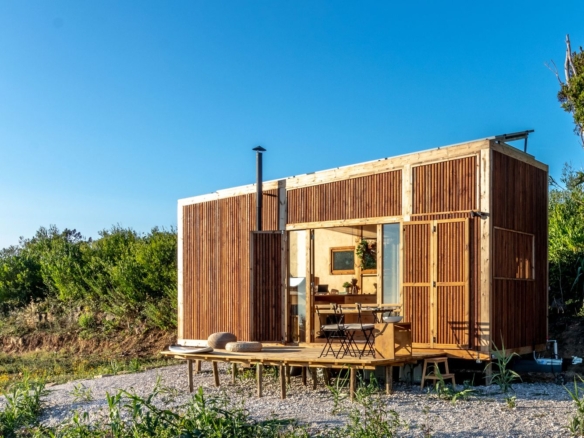
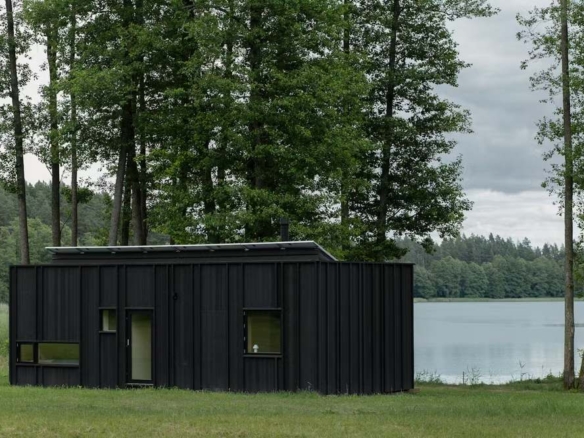
For years, outdoor accommodation sat at the outskirts of hospitality — linked with glamping tents, rustic lodges, and seasonal products. Today, the category is undergoing a transformation. Premium modular cabins, once considered niche, are becoming a mainstream strategic tool for hotels, B&Bs, wedding venues, golf resorts, and wellness retreats seeking to expand with minimal risk.
Unlike conventional extensions or renovations, modular cabins allow operators to increase capacity without disturbing the existing building or interrupting operations. They are fast to install, architecturally striking, cost-efficient, and increasingly profitable. As traveler demand shifts toward nature and investors pour capital into the space, cabins are emerging as one of hospitality’s most scalable growth assets.
Expansion Without Construction
The biggest driver of cabin adoption is the ability to grow without building work. Most properties already have the operational infrastructure required for additional rooms — housekeeping, amenities, kitchens, utilities, staff, and parking. What they lack is internal space. If they have even a small amount of unused land, that constraint disappears.
A modular cabin can be delivered turnkey, craned into position, connected to utilities, and opened to guests within hours. There is no demolition, no disruption to current guests, and no requirement for lengthy planning cycles. For operators, the process feels less like a construction project and more like installing new hardware into an existing system.
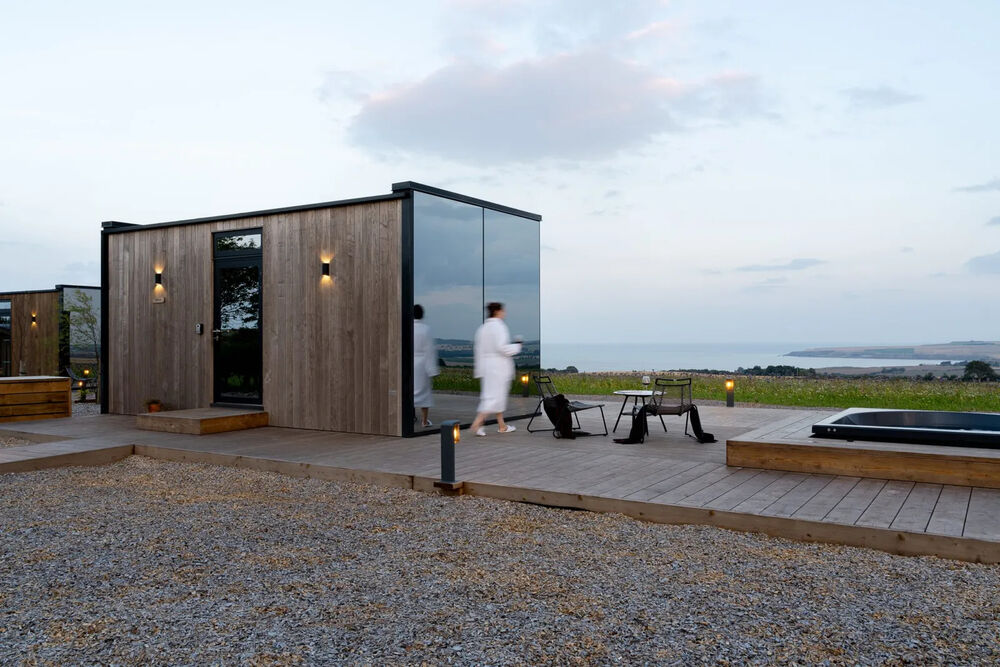
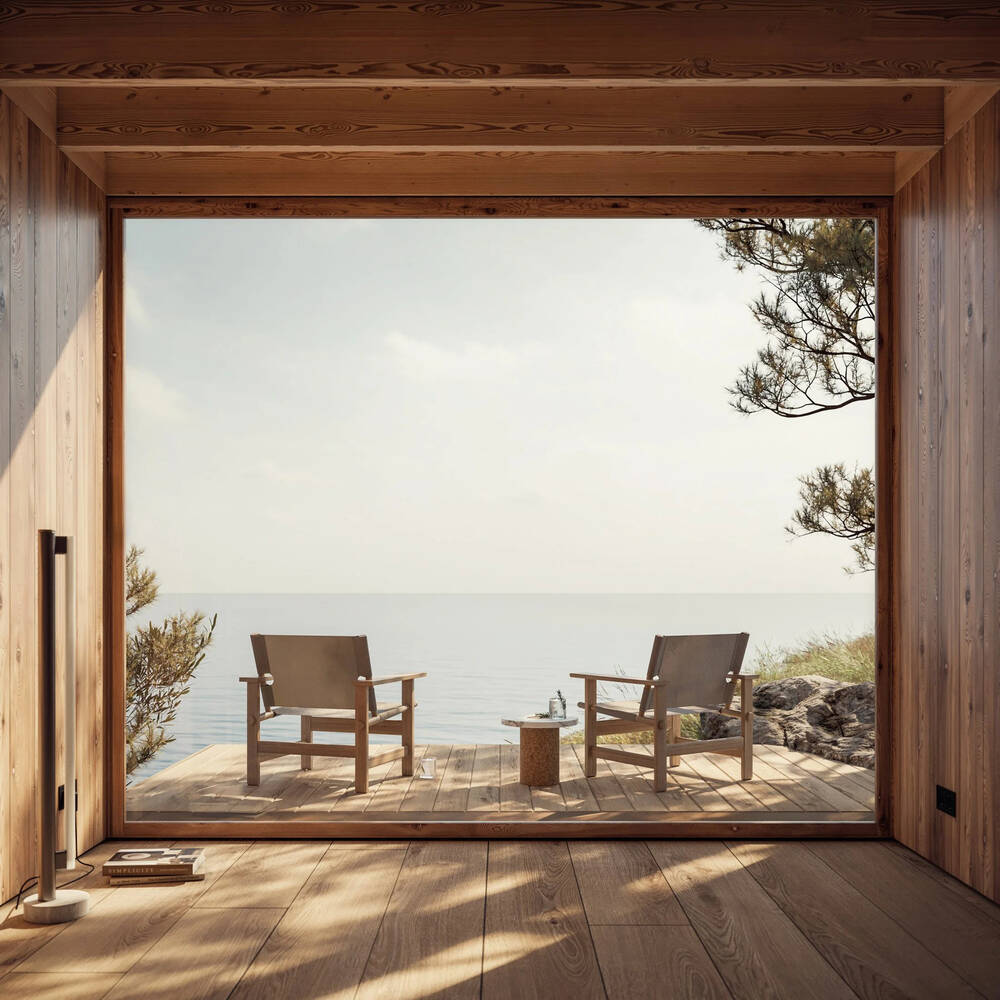
This convenience aligns perfectly with what travelers want. A premium cabin offers privacy, immersion in nature, and the sense of occupying a standalone retreat, while still providing access to the property’s spa, restaurant, pool, or gym. For many guests, this hybrid model is more desirable than a traditional hotel room.
The ROI Behind Modular Cabins
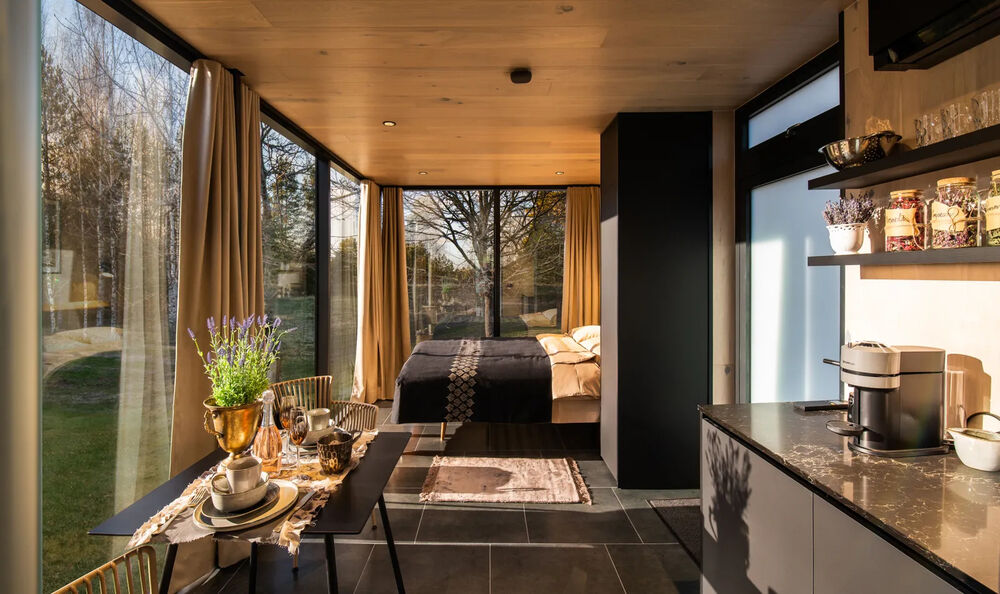
Modular cabins have become one of the highest-yielding investments in hospitality. A well-insulated, year-round, architecturally finished cabin typically costs €60,000–€90,000 but can command premium nightly rates. Cabins perform exceptionally well because they tap into several powerful consumer motivations: exclusivity, design-driven “tiny luxury,” social-media-friendly aesthetics, and the post-pandemic desire for nature.
With very low operational overhead and minimal maintenance requirements, payback periods are often significantly faster than those associated with permanent extensions. When paired with amenities such as a sauna, cold plunge, or fire pit, the experience becomes an attractive, high-margin offering that works in every season.
Reversible CAPEX and Risk Reduction
One of the most compelling advantages of modular cabins is that they represent reversible CAPEX. If a concept changes or a property is sold, cabins can simply be removed with a crane and resold on the secondary market. This is not possible with traditional building extensions, making modular units far less risky.
The reversibility factor has become particularly appealing for seasonal venues, landowners, and operators wary of committing to expensive, irreversible builds. Modular architecture allows them to expand strategically and adjust as demand evolves.
Investor Confidence in the Modular Cabin Market
Investor activity is accelerating, signalling strong belief in cabins as a long-term category rather than a passing trend. ÖÖD in Estonia recently secured an additional €10 million in funding to scale its modular architecture globally. Meanwhile, UK-based Nokken saw Limestone Capital AG acquire a 30% stake, highlighting institutional confidence in prefab cabins as a durable hospitality asset.
This level of investment typically enters a sector only when there is clear evidence of scalability and sustained demand. Modularity is no longer viewed as alternative accommodation — it is becoming core hospitality infrastructure.
Thinking about building?
Share a few details about your project and receive quotes from our network of vetted manufacturers.
GET YOUR QUOTESWhy Demand Is Set to Surge
Several macro trends are converging to fuel rapid adoption. Outdoor stays are poised to become hospitality’s next growth engine as platforms like Airbnb face reduced urban inventory due to regulation. To expand supply, they must stimulate rural and nature-based stays — a perfect match for modular cabins.
At the same time, consumer psychology around nature has shifted. Greenery, quiet, fresh air, and simple outdoor rituals such as lighting a fire have become emotional luxuries. Cabins deliver all of this without sacrificing comfort or design.
Finally, cabins excel on social media. Their large windows, minimalist interiors, and natural materials create the type of visually striking content that drives bookings, especially from Millennials and Gen Z — now the largest traveling demographics.
The One Caveat: Quality Differs Widely
The modular cabin market is still young, and standards vary considerably. Differences in insulation systems, vapor control, materials, finishes, installation support, and structural lifespan can be significant. This is why due diligence is essential.
Advisory services — such as Spassio’s brokerage and consulting work — play an increasingly important role. Many buyers don’t know what questions to ask or how to compare manufacturers. Helping them evaluate quality, compare pricing, and select the right models prevents costly mistakes and ensures investments align with long-term operational needs.
What the Future of Hospitality Looks Like
Hospitality’s next major wave of expansion will not be built in concrete. It will be modular, flexible, and landscape-integrated. We will see cabin clusters functioning as standalone micro-suites, cabin villages attached to established hotels, wellness-focused outdoor compounds, and hybrid portfolios that mix traditional rooms with modular units.
This is a form of hospitality that respects nature, reduces risk, and increases margins. Modular cabins are not a trend. They are maturing into a strategic asset class — scalable, profitable, and aligned with how contemporary travelers want to experience the world.