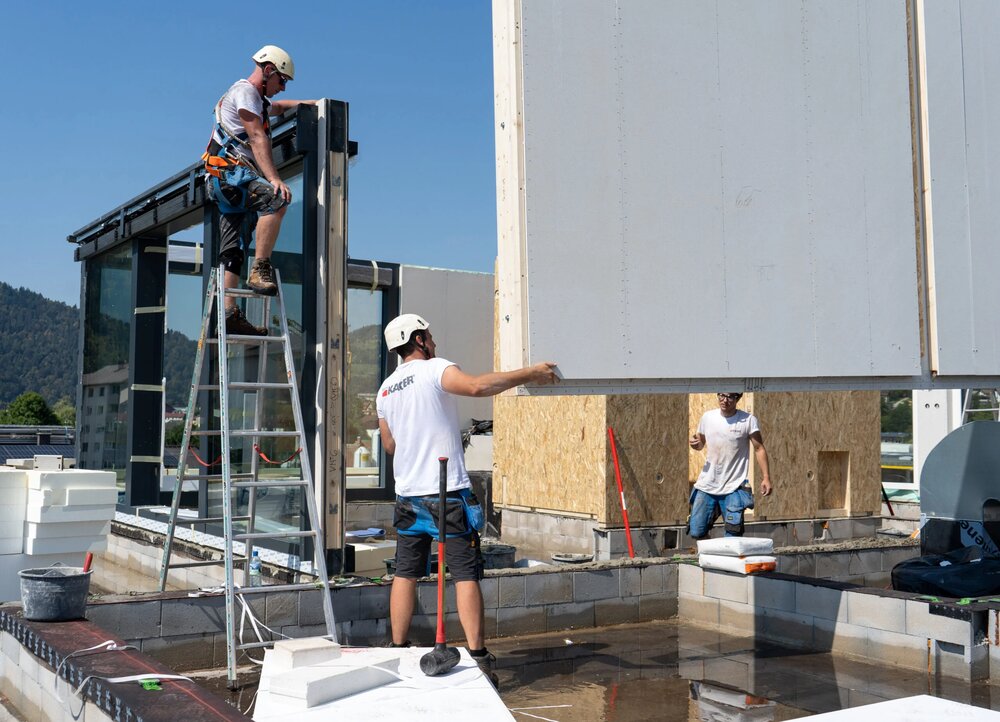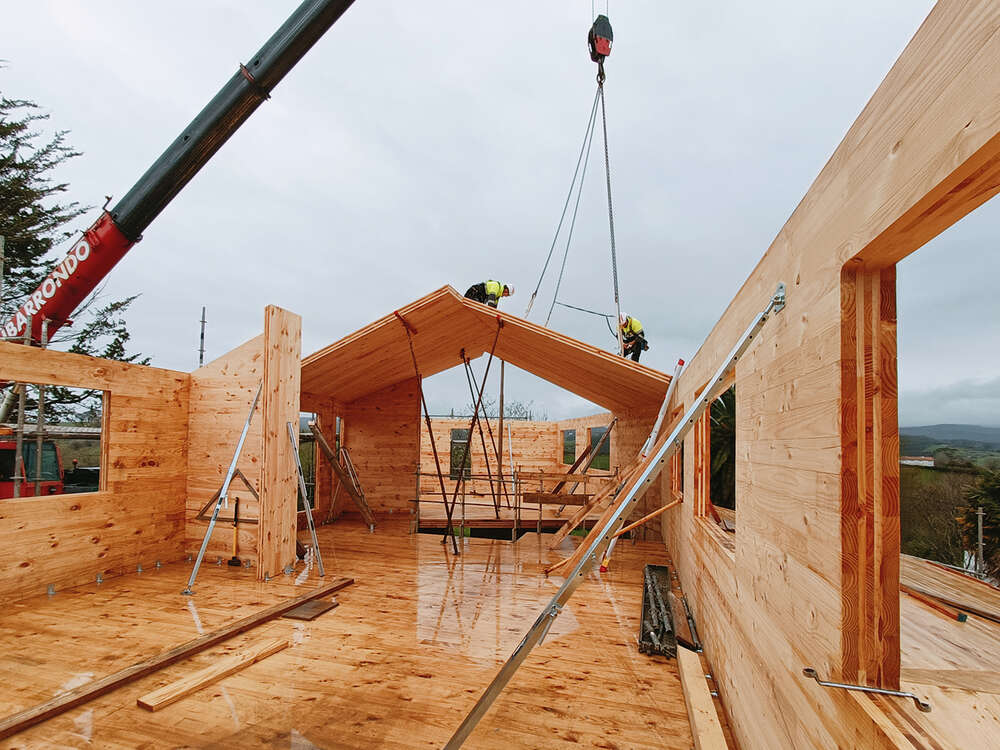
When a Dutch family began planning a 350-square-meter villa in Spain’s Alicante region, prefab seemed to offer exactly what conventional construction often does not: precision, speed, and a high degree of control. They imagined a home whose most complicated parts would be made elsewhere, under factory conditions, then delivered to the site with fewer delays, fewer surprises, and fewer of the variables...
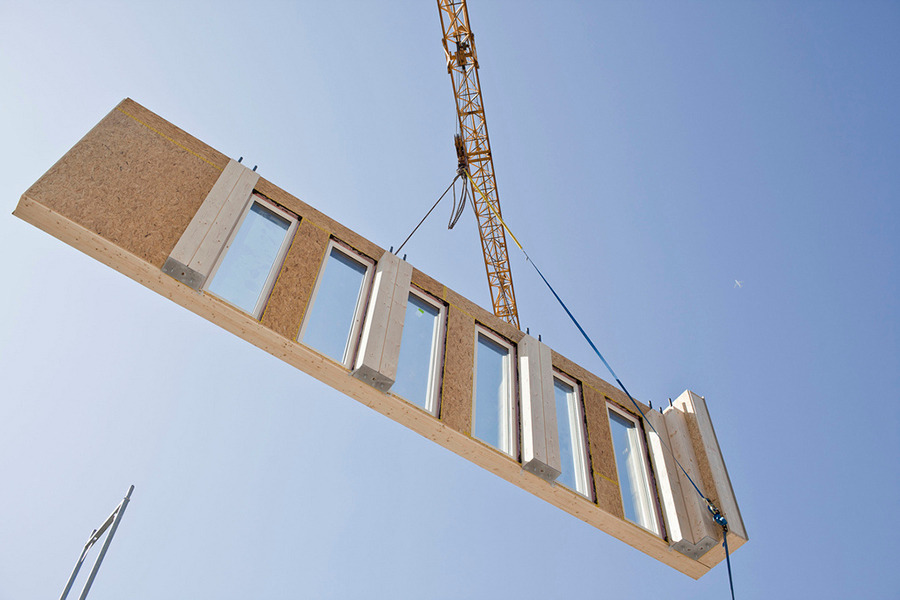
Prefab homes
In Traditional Construction, Your Quote Is Rarely a Fixed Price Construction budgets have always slipped. What has changed is why. For most of the past decade, cost overruns came down to poor planning or bad luck. Today something more structural is at work. Between 2021 and 2023, construction material costs across the EU rose sharply. In Germany, certain categories remain close to 90% above...
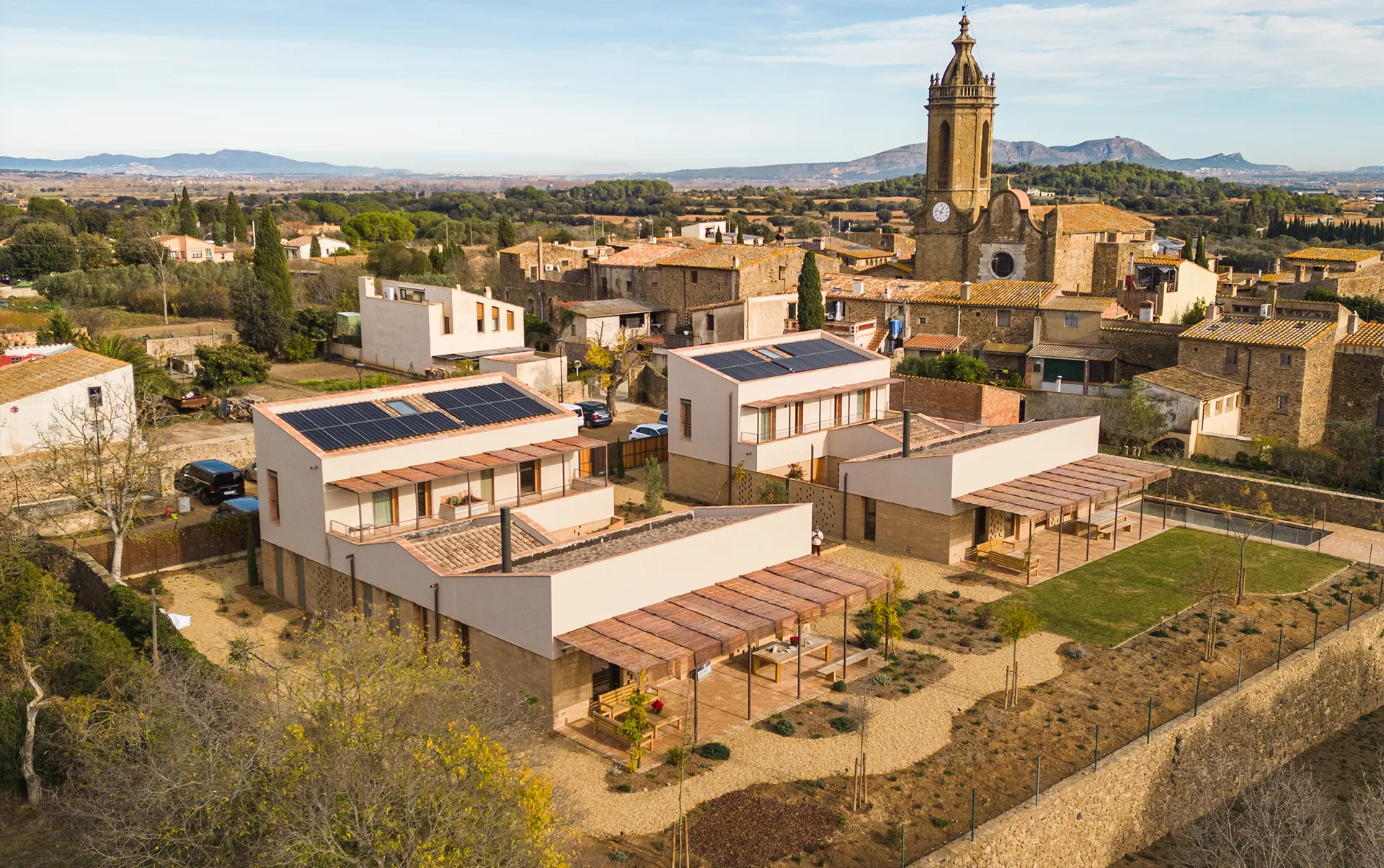
On the quiet edge of Rupià, a small medieval village in Girona’s Baix Empordà, Casa 1922 sits in a delicate position—between the compact logic of the town and the openness of the agricultural landscape. It is here, in this threshold condition, that NORDest Arquitectura has crafted a project that feels at once familiar and quietly radical. For anyone considering building a prefabricated home, this...
Modular housing is often presented as flexible, efficient, and almost limitless in design potential. In reality, one of the biggest factors shaping the size of a modular home in Europe is not architecture alone, but transport regulation. Before a modular house reaches its site, it must travel on public roads, pass under bridges, move through villages, and navigate tight urban streets. That journey...
When people think of Baltic prefab, Estonia and Latvia tend to get the headlines. Lithuania deserves more credit. The country is home to one of the most diverse prefab manufacturing ecosystems in Northern Europe — spanning handcrafted wild log homes, architect-designed glamping cabins, large-scale modular hotel solutions, steel-frame A++ residential builds, and everything in between. Lithuanian...
Romania is not the first country that comes to mind when European buyers think about prefab housing — but it should be on their radar. A cluster of ambitious manufacturers has taken root here over the past decade, many of them building tiny houses and modular homes that are finding buyers across Germany, the Netherlands, and beyond. The country offers a compelling combination: a deep woodworking...
There is a building on Europaplatz, one of Graz's busiest transit squares, that most passersby have walked past dozens of times without giving it a second glance. Hotel Daniel occupies a mid-century building originally constructed as a railway hotel — modest in scale, clean in line, quietly postwar in spirit. Nothing about its facade suggests that something remarkable is happening on its...
20 February 2026 Across Western societies — and Europe in particular — access to housing has become one of the defining urban challenges of our time. Rapid urbanisation continues to funnel populations into high-demand metropolitan areas, stretching land supply, inflating costs and exposing the structural inefficiencies of traditional construction. Housing experts increasingly agree on one point:...
In everyday conversation, "prefab house" is frequently assumed to mean "wooden house." The point of this article is simple: that assumption is wrong. Prefab is a construction method, not a material. It describes how a building is made—manufactured off-site in controlled conditions and assembled on-site—not what it is made of. Even what people call a "wooden house" reveals how misleading the material...